


For years, Mérida was known mainly for its tranquility, its cultural wealth and its quality of life.
Today, in addition to these qualities, the Yucatecan capital has become one of the most attractive destinations for those looking to settle far from the large metropolitan areas of the country. Families, entrepreneurs, investors, remote workers and professionals are attracted by a combination difficult to find elsewhere: security, stability, regional connectivity and a local identity that still retains much of the character that distinguishes Yucatán.
The growth is evident.
New housing developments, shopping malls, hospitals, universities, corporate spaces and residential areas have transformed the city's urban landscape in a very short time. Merida is no longer just a quiet regional capital. It is an expanding city, watched by investors, new residents and projects looking to grow from the Mexican southeast.
But behind that breakthrough comes an important question:
Is Merida growing at the same rate in technological infrastructure as in urban infrastructure?
AXO News
The future is not only built with concrete
For decades, the development of a city was measured by the number of roads, buildings, subdivisions or commercial areas it could build.
That is why the right to freedom of movement
The world's most competitive cities also invest in digital connectivity, quality internet access, smart mobility, digitized government services, technology education, cybersecurity, and innovation. 21st century infrastructure is not limited to concrete. It also includes the tools that enable citizens to participate in an increasingly connected economy.
The steady influx of new residents has increased demands on local infrastructure.
Many of those who move to Mérida work remotely for national and international companies. Others develop digital businesses, sell services online, study remotely, or generate revenue through technology platforms. This implies new needs that just a few years ago were not at the center of the urban conversation: better connectivity, more agile procedures, digital payments, technological education, innovation spaces and access to global tools.
The city has demonstrated the ability to grow.
You must now demonstrate the ability to modernize.
Technology as an opportunity driver
Digital transformation is no longer an exclusive topic of Silicon Valley, Mexico City, Monterrey or the great technological capitals.
Artificial intelligence tools, digital financial platforms, remote work, digital identity, e-commerce and new forms of entrepreneurship are redefining the way people study, work and generate economic value.
For an expanding city like Merida, this trend represents an extraordinary opportunity.
A connected population can access global jobs, specialized education, innovative financial tools, and new alternatives for participating in digital economies that transcend borders. A young person from southern Merida, a local entrepreneur, a university student or a family looking for new sources of income can benefit from technologies that previously seemed reserved for other urban centers.
But for those opportunities to be real, the technological infrastructure must grow at the same pace as the city.
It is not enough to attract real estate investments. It is also necessary to promote innovation, technological training and projects that prepare the new generations to compete in an increasingly digitized environment.
A modern city is not only the one that builds the most. It is the one that connects best.
Guillermo Rosete Gomez
An opportunity for emerging technology projects
Mérida's demographic and economic growth also makes it an attractive city for new digital platforms looking to expand in Mexico.
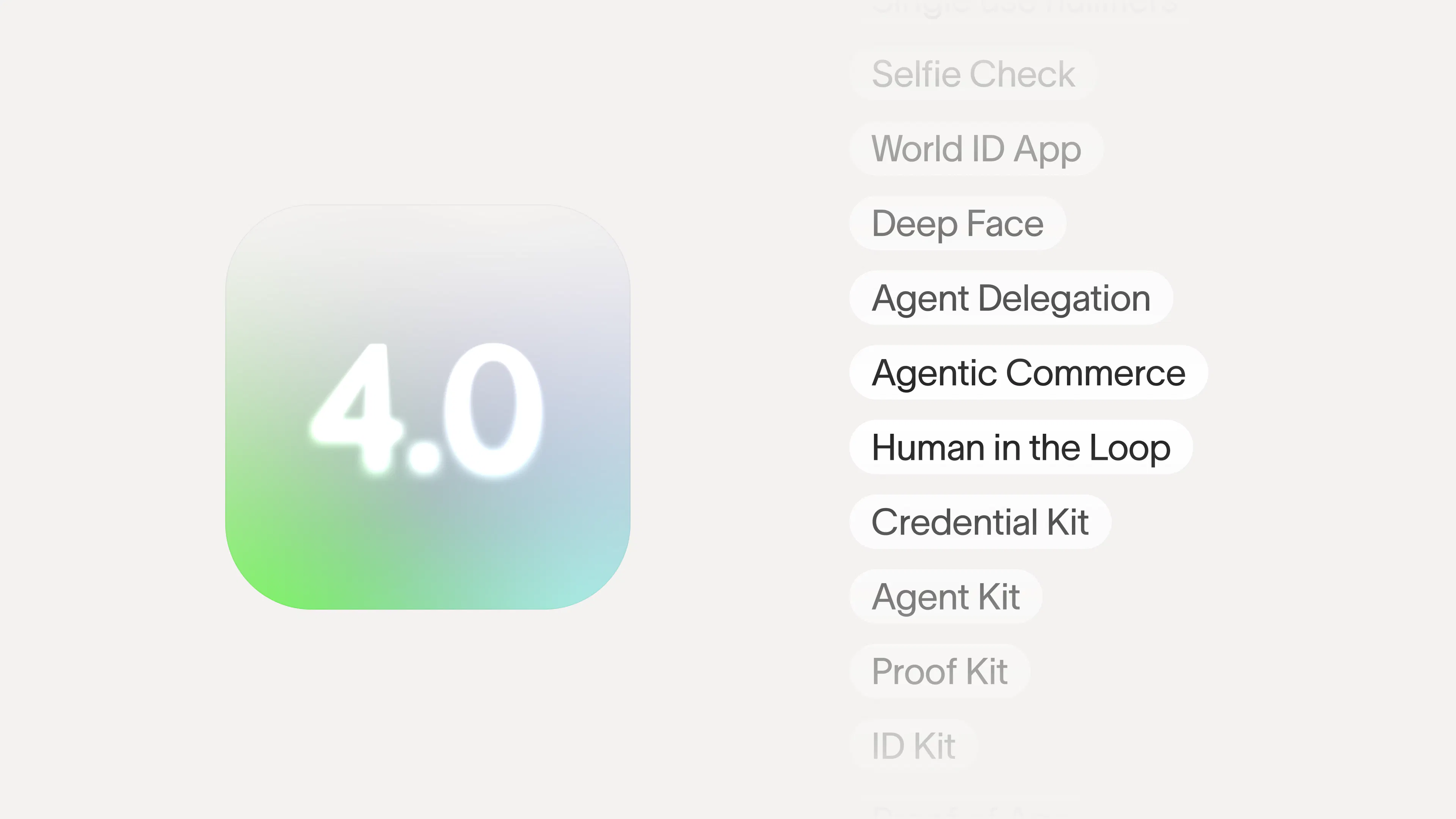
An interesting example is World App, an application linked to the World ecosystem, focused on digital identity and access to emerging technological tools. His proposal relates to one of the big questions of the coming years: how to prove that a person is human and unique in an Internet increasingly dominated by bots, artificial intelligence and automation.
Currently, users in different cities know a practical reality: access to certain verification mechanisms may depend on the local availability of physical infrastructure, such as points of care, operators or specialized devices. In the case of Mérida, the absence or limited availability of these mechanisms can become a barrier for people interested in participating in such digital ecosystems.
Although it is a specific platform, the phenomenon reflects something more important.
The growing influx of people from other states of Mexico and even other countries confirms that Mérida is no longer just a city with regional relevance. Its growth is increasingly positioning it as a point of national and international interest.
That reality makes the city a potentially attractive environment for companies, technology platforms and digital projects that seek dynamic communities, connected and open to innovation.
Beyond World App or any particular technology, the message is clear: the cities of the future will need to create bridges between physical infrastructure and digital infrastructure so that their inhabitants can access new economic, educational and technological opportunities.
A growth that must include the entire city
There is another topic that comes up frequently in conversations between locals.
The perception that much of the urban, commercial and technological development continues to be concentrated in the northern area of Mérida, while the south continues to expect investments, services and infrastructure capable of reducing historical differences between the two regions.
This is not just a geographical issue.
These are opportunities.
When an area receives better services, greater connectivity, educational spaces, private investment and innovation projects, it also receives greater possibilities for economic growth and social development.
Therefore, talking about the future of Merida implies recognizing that growth must be more balanced.
Technological modernization should not become a privilege for certain areas of the city. It should be a tool to strengthen whole communities, boost local entrepreneurs, generate opportunities for young people and allow all sectors to share in the benefits of digital transformation.
The arrival of new technologies, better digital services and innovation projects must contemplate both the areas with the highest economic growth and those that have historically received less attention.
A more technological Merida cannot be a more unequal Merida.
AXO News
A city ready for the next decade
Merida has a unique opportunity.
Few cities in Mexico bring together security, attractiveness for investment, population growth, cultural identity and quality of life at the same time. That set of conditions has made the Yucatecan capital a desired, observed and increasingly competitive city.
However, the next ten years will demand more than just urban expansion.
They will demand vision.
The conversation should no longer focus solely on where to build new developments, new roads, or new shopping malls. It must also focus on how to build a city that is more connected, more innovative, and better prepared for the technologies that will define the next decade.
The goal shouldn't just be to become a bigger city.
The goal should be to become a smarter, more competitive and more inclusive city.
Because Merida's true success will not depend only on how many people decide to move here.
It will depend on your ability to offer opportunities, innovation and quality of life to all those who are already part of your present and who will build your future.
Community reaction
Reader responses are moderated for relevance, sourcing, and civility. Expert comments from verified professionals are elevated with context.